

Opening Reception: "Echoes in the Margin" by Delano Dunn Lead Image
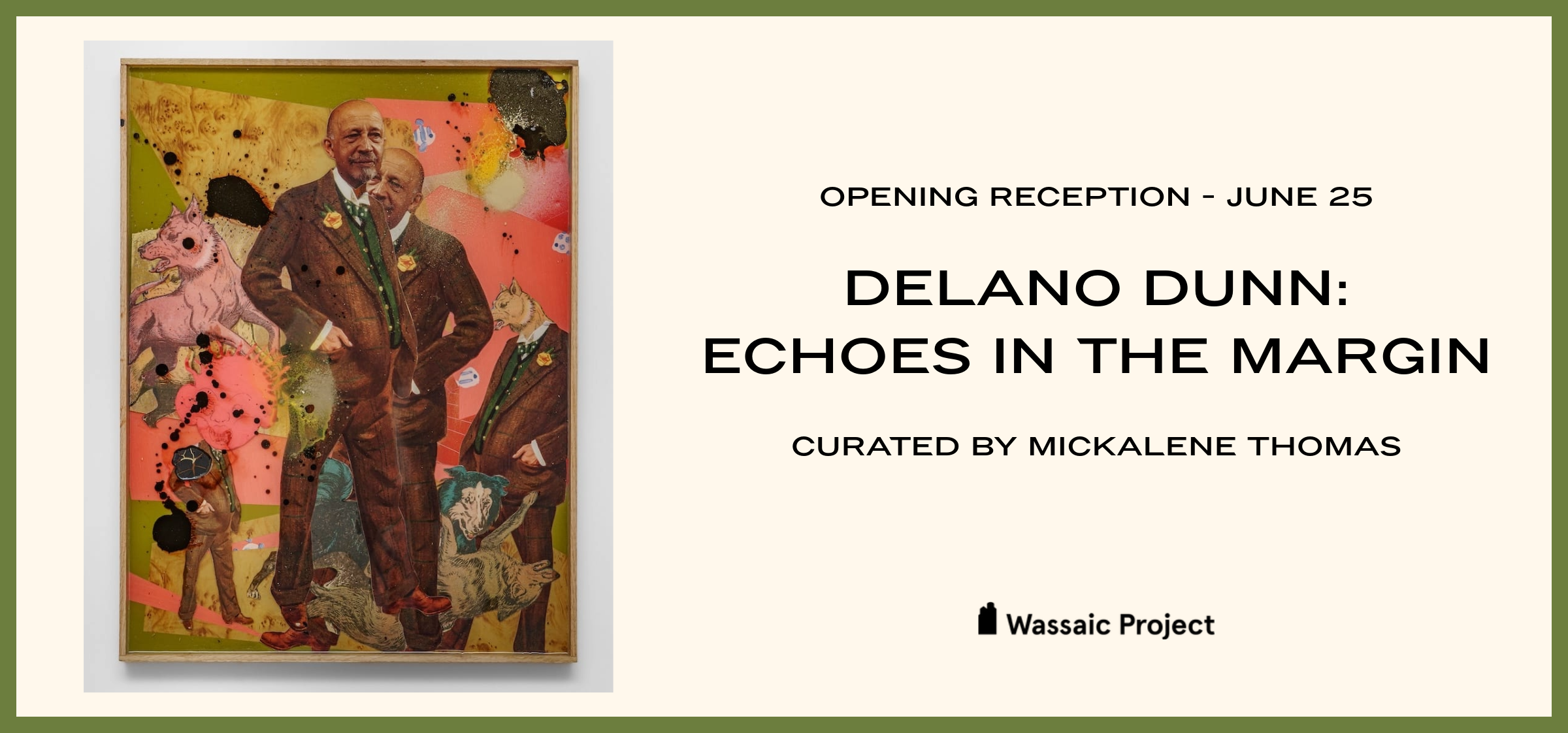
Art Exhibit Opening Reception: "Echoes in the Margin" by Delano Dunn
Troutbeck is pleased to present in collaboration with Wassaic Project, "Echoes in the Margin", a solo exhibition by Delano Dunn, curated by Mickalene Thomas
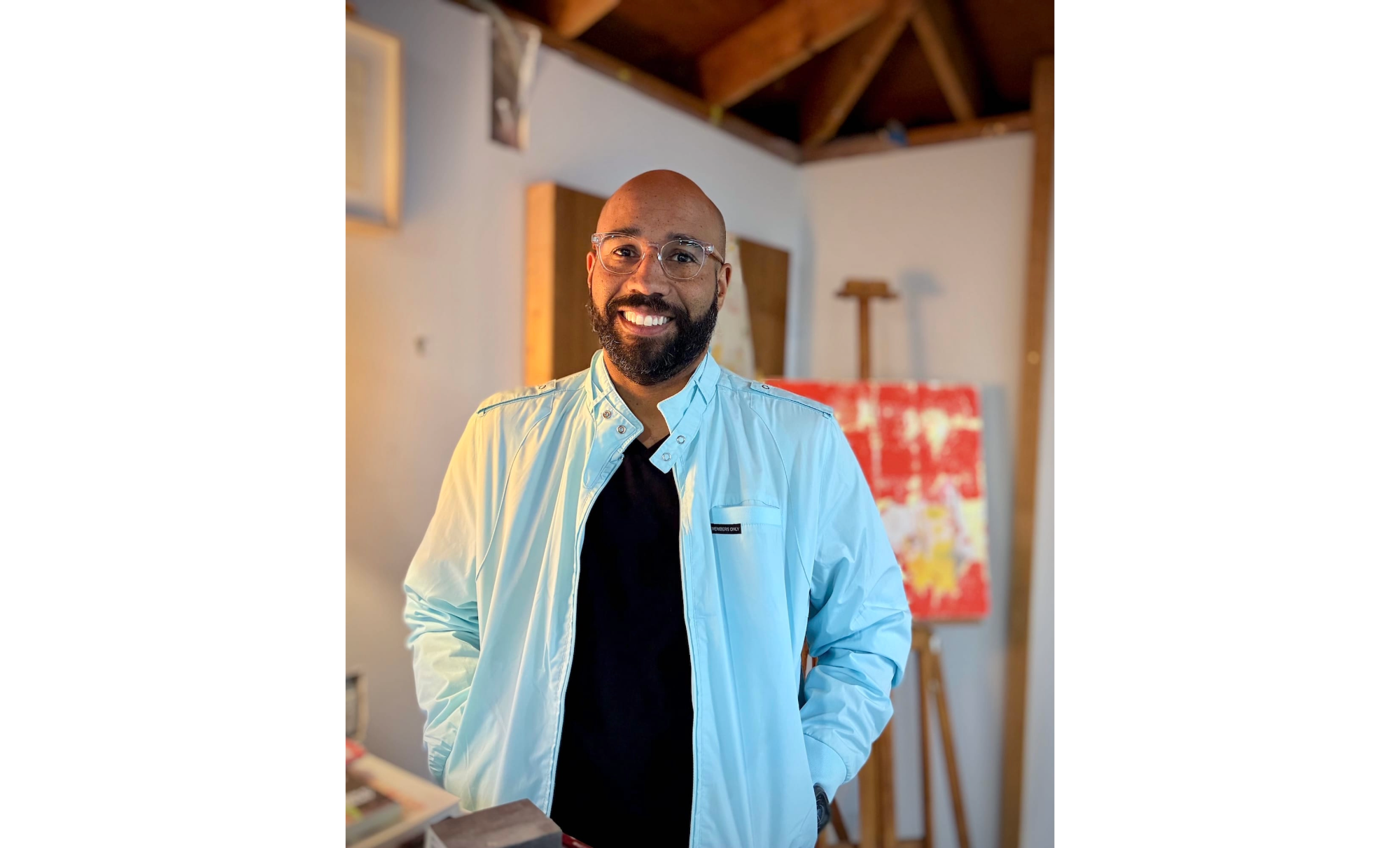
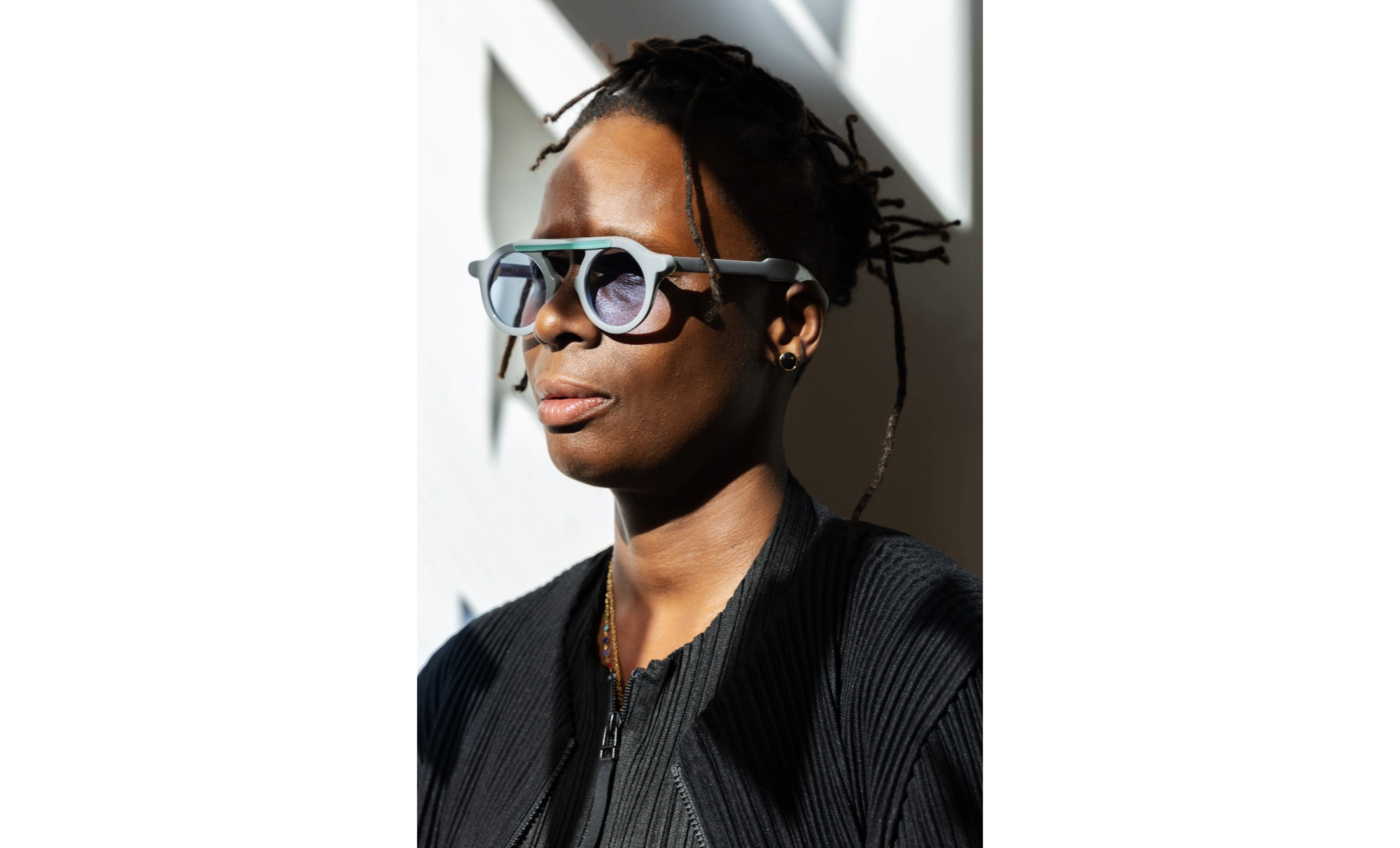
About Wassaic Project
The Wassaic Project is a contemporary arts institution that has been a cornerstone of upstate New York’s cultural landscape since 2008, fostering positive social change through art and education. It brings together emerging artists and local communities through world-class contemporary art exhibitions, vital education and public programs, and a highly regarded year-round artist residency program.
Based in the historic Maxon Mills—an 8,000-square-foot, seven-story former grain elevator transformed into a vibrant arts space—the Wassaic Project serves as a dynamic incubator for new voices in contemporary art. Since its founding, it has welcomed more than 45,000 visitors, 1,200 artists, 145 musicians, 52 dance companies, and 38 filmmakers. Annual programming includes the residency, monthly open studios, ten major community events, and three exhibitions. Its arts education programs reach more than 1,000 students each year through after-school art clubs, summer camps, mentorship opportunities, and the free family drop-in space, the Art Nest, open every Saturday from 12–5 PM.
The residency program and exhibitions give emerging artists time and space to experiment and grow their practices. In recent years, Wassaic Project artists have gone on to exhibit at the Whitney Museum of American Art, the Brooklyn Museum, MoMA, the New Museum, the Studio Museum in Harlem, the Bronx Museum of Art, El Museo del Barrio, the International Center of Photography, MASS MoCA, and many others.
The Wassaic Project’s programs are made possible by the generous support of our board of directors, many individuals, as well as the New York State Council on the Arts, with the support of the Office of the Governor and the New York State Legislature, A G Foundation, Arison Arts Foundation, Arts Mid-Hudson, Berkshire Taconic Community Foundation, Bloomberg Philanthropies, Community Foundations of the Hudson Valley, Donald A. Pels Charitable Trust, Dutchess County's Department of Community and Family Services, Dyson Foundation, Foundation for Community Health, Helen Frankenthaler Foundation's Frankenthaler Climate Initiative, Low Road Foundation, National Endowment for the Arts, Peleh Fund, Starry Night Fund of the Chicago Community Foundation, The Cecily & David Murphy Majerus Foundation, The Cowles Charitable Trust, and Wolfensohn Family Foundation.
About Troutbeck
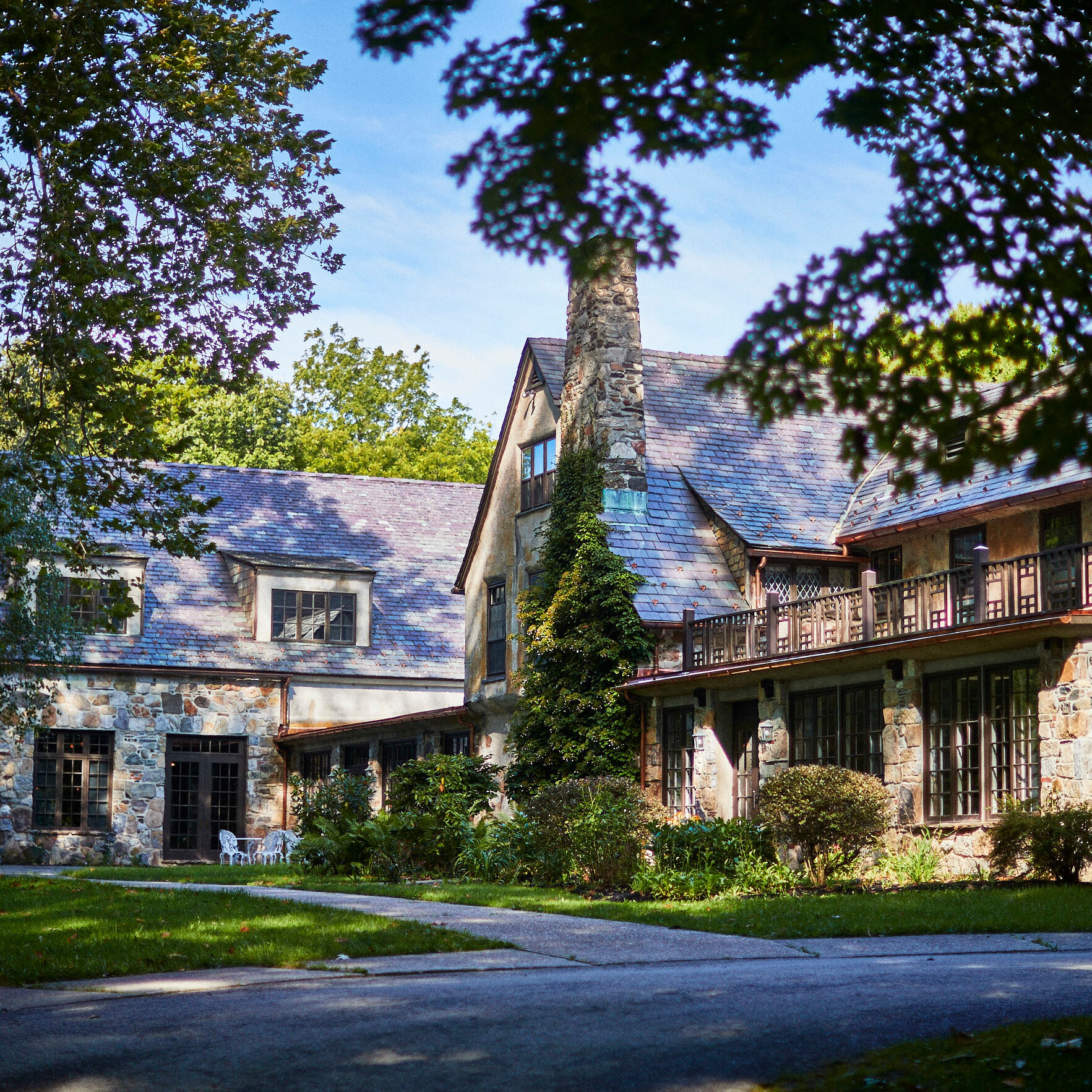
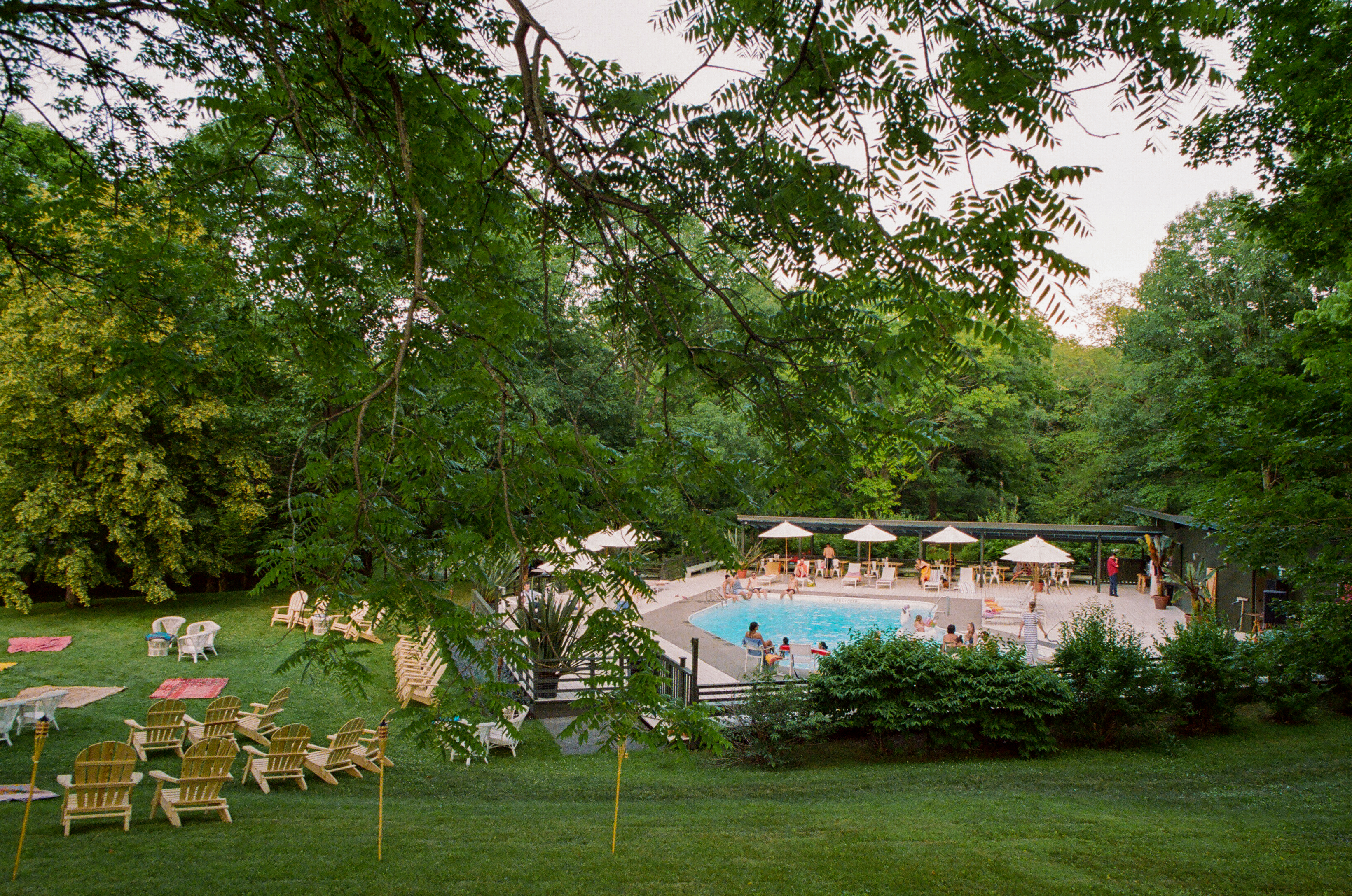
Homesteaded in the mid-1700s, Troutbeck is a historic estate and full-service hotel with 37 rooms, suites, and private cottages in Amenia, New York, two hours north of New York City. For centuries it has served as a gathering place for figures in the arts, literature, public life, and social thought. Of the homesteading Benton family, poet Myron Benton and his brother Charles were close friends with naturalist John Burroughs and deeply engaged with the work of Emerson and Thoreau, whose final letter was written to Myron. Later, Joel Spingarn, first Chairman of the Board of the NAACP, and his wife, artist and suffragette Amy Spingarn, carried forward this tradition, using Troutbeck as an important convening place for writers, artists, and civic leaders including W.E.B. Du Bois, Langston Hughes, Zora Neale Hurston, Sinclair Lewis, Mary White Ovington, and Justice Thurgood Marshall, among many others.
Today, Troutbeck continues that legacy through year-round cultural programming spanning contemporary art, music, literature, food, history, and education, while welcoming guests from around the world to its restored Hudson Valley estate. Troutbeck has received a MICHELIN Key in both 2024 and 2025 and was named among the Top 50 Resorts in the World in the 2024 Condé Nast Traveler Readers’ Choice Awards.